Two Wheels and a Morning
Two Wheels and a Morning — The Quiet Case for Seeing a Place by Bicycle
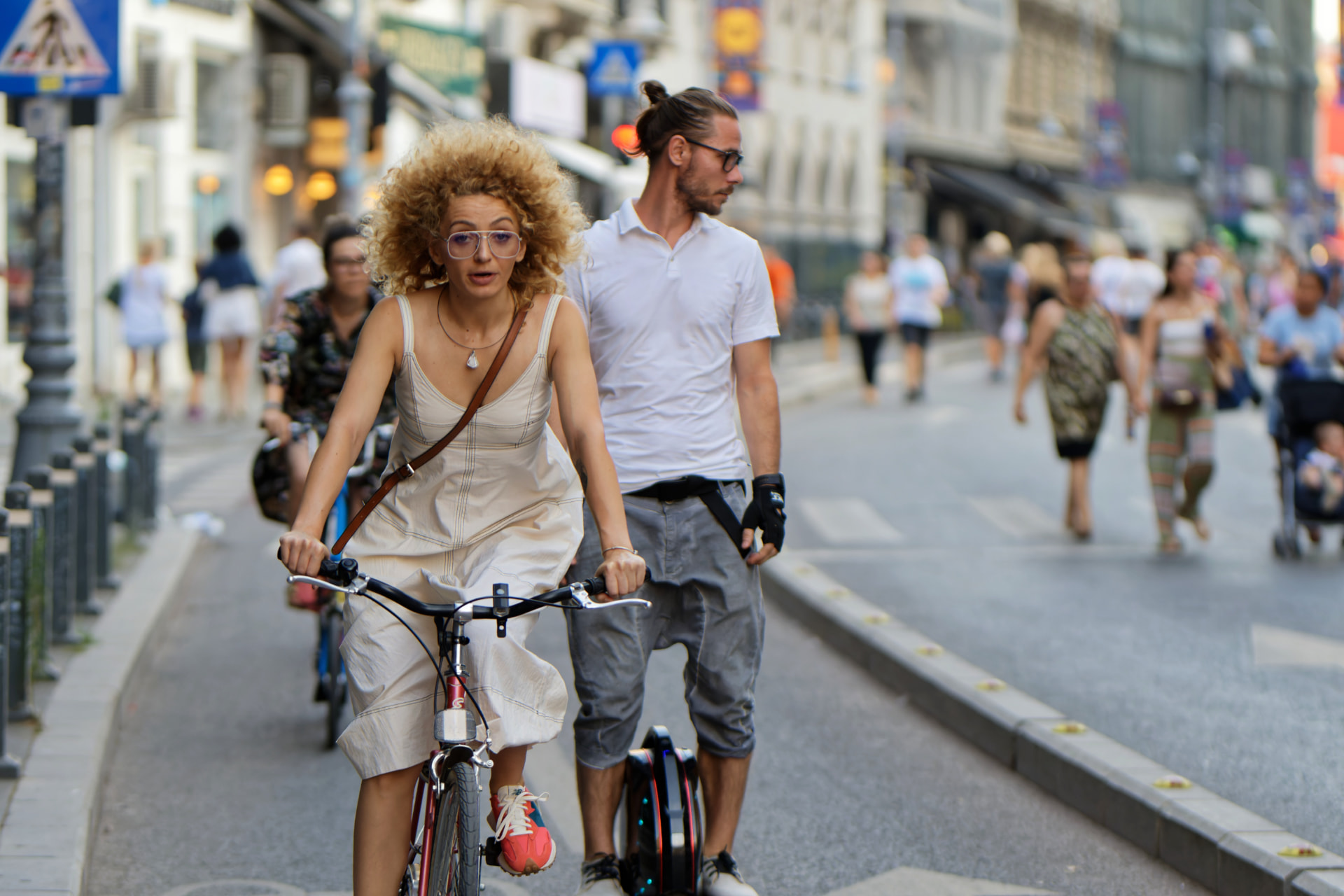
There is a pace at which a town will tell you things, and it is not the pace of a coach. Walking is closer, but walking is slow enough that a city becomes three streets and a sore heel. The bicycle sits precisely between the two — fast enough to cross a place before lunch, slow enough to smell the bakery on the corner and to stop, because stopping costs you nothing at all.
That is the whole argument, and everything below is only detail.
The morning it works best
Take a bicycle out at seven. The delivery vans are unloading, the cafés are putting their chairs down, and the streets belong to the people who live on them. By ten the same streets will belong to visitors, and by noon they will belong to nobody. Two hours of early riding will show you more of an ordinary day than an afternoon of guided walking ever manages.
Ride out along the water if there is water. Ride the ring road that used to be a wall if there was a wall. Follow the tram line if you are unsure — it goes somewhere useful by definition, and you can put the bicycle on nothing and get lost with no consequence at all.
Where the riding is genuinely easy
Some places have done the work, and you feel it within five minutes of setting off.
The Netherlands and Denmark are the obvious ones. Copenhagen and Amsterdam have separated lanes with their own kerbs and their own traffic lights, and riding there is closer to walking than to driving. You will be overtaken by a woman in office clothes carrying two children and a week of shopping, and you should let her go.
The river paths of Central Europe — the Danube from Passau to Vienna, the Elbe, the Loire à Vélo through the château country — are flat, waymarked, and punctuated by villages roughly an hour apart. They were built for exactly this and they ask very little of your legs.
Japan's Shimanami Kaidō crosses six islands of the Inland Sea on a dedicated cycleway hung beside the bridges. It is sixty kilometres of quiet water and citrus groves, and the hire shops at either end will take the bicycle back for you.
Mallorca and the Girona hinterland keep the professional teams in winter for a reason: smooth surfaces, considerate drivers, and a café at the top of every climb. You need not be fast to enjoy roads built for people who are.
Hiring sensibly
The city schemes — the docked bicycles at the racks, unlocked with an app — are perfect for an hour and irritating for a day. The dock is never where you want it, and the clock is always running.
For a proper day out, hire from a shop. You will get a better machine, a lock worth the name, a helmet if you want one, and a human being who will tell you which bridge is closed. Ask three things before you pay: whether the price includes a lock and lights, what happens if the bicycle is stolen, and whether they will collect it if you end the day somewhere else. The last question turns an out-and-back into a one-way ride, which is nearly always the better shape for a day.
If you are travelling with a car, note that the local hire firms often rent bicycles and scooters alongside cars, on the same booking — useful on an island, where the car is for the far coast and the bicycle is for everything within town.
What to expect of yourself
Thirty kilometres is a pleasant day for anyone who rides occasionally. Fifty is a proper day and will want a long lunch in the middle of it. Beyond that you are no longer sightseeing, you are training, and the difference is worth being honest about before you set out at nine with a map and an ambition.
Take an electric bicycle without embarrassment if there are hills. It flattens a landscape rather than the day, and it is the difference between arriving at the hill town for lunch and arriving at it for supper, defeated.
The small precautions
- Photograph the bicycle and its frame number at the shop, as you would a hire car.
- Carry water and a little cash; the best stops rarely take cards.
- Learn which side of the road you are on before the first junction, not during it.
- Lock it to something immovable, through the frame, even for five minutes.
- Check whether your travel insurance covers riding at all — a good many policies quietly do not.
Why it stays with you
Ask anyone about a journey and they will describe a view from a window or a meal. Ask them about a day on a bicycle and they will describe the whole day — the wind that came off the estuary at the turn, the dog that ran out at the third village, the hour they sat on a wall because there was nowhere in particular to be.
A bicycle does not compress a place into photographs. It gives it back to you at the speed a place was built to be lived at, which is roughly the speed of a person who is in no great hurry.
Hire the bicycle. Leave early. Come back for lunch, or do not.
Practical notes
Hire terms, deposits, and insurance requirements vary by shop and by country; check them against your own booking before you ride. The bicycle and scooter hire partners we keep on hand are listed under Bicycles & Scooters on our Resources page.